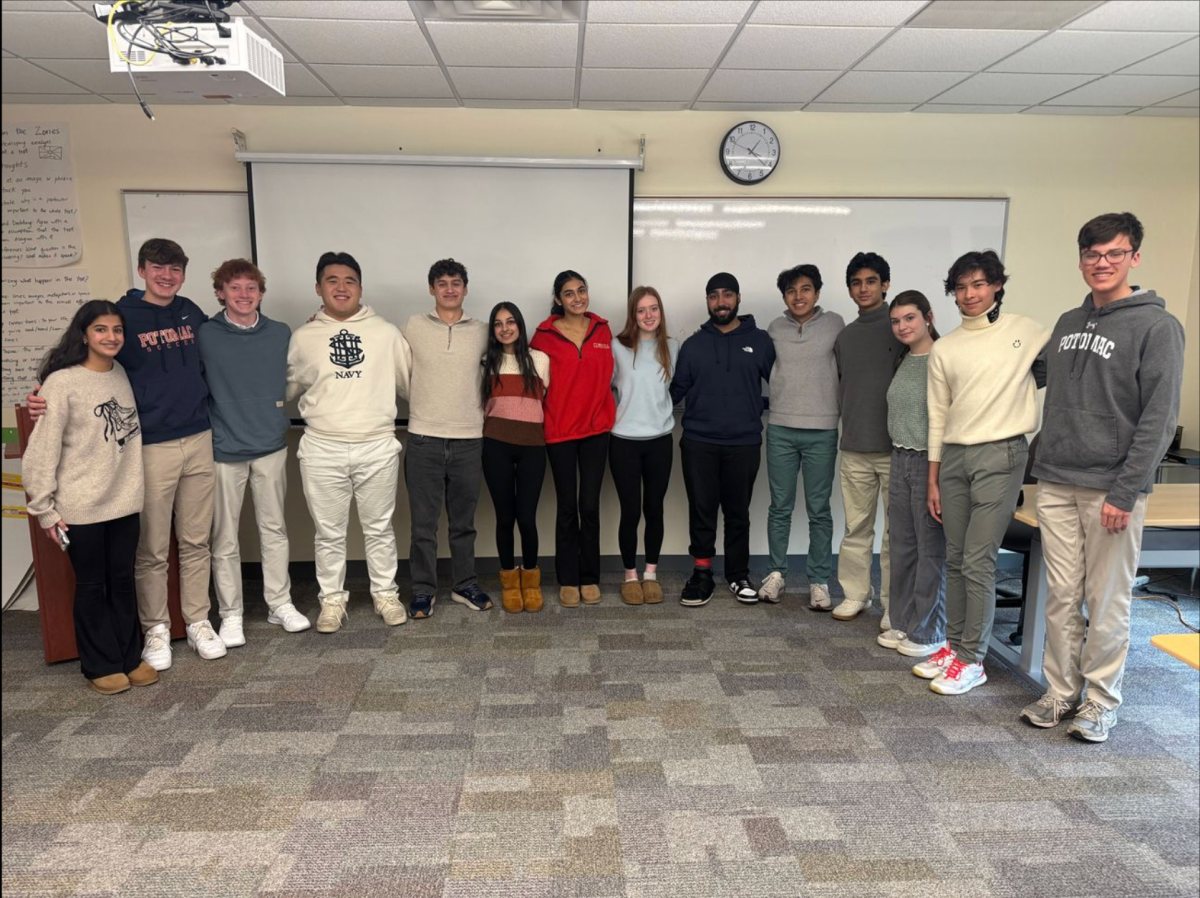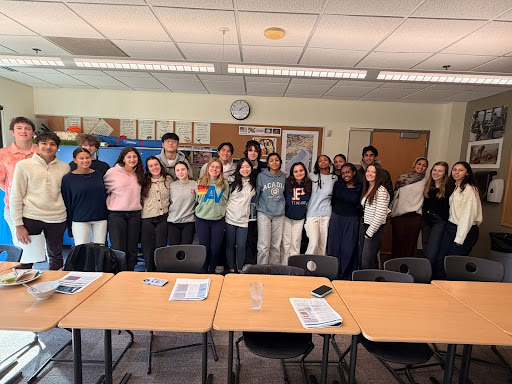
The Immigrant and Refugee Outreach Center (IROC) is a nonprofit dedicated to helping immigrants and refugees throughout the DMV find support and community outreach. Potomac’s own IROCC (Immigrant and Refugee Outreach Center Club) partners with IROC to spread awareness, host drives, and recruit volunteers. Woodley Bohannon ‘28 is one of five leaders of IROCC, along with Darya Mirali ‘27, Olivia Youmans ‘27, Elsa Combs ‘27, and Marin Brow ‘27. She began volunteering with the organization in the summer of 2023 and has continued ever since.
The nonprofit hosts two to three camps each summer month and one per month in the fall and spring. At these camps, volunteers have the opportunity to interact with the children that IROC supports and lead activities for them.
In addition to regularly attending camps, Potomac’s IROCC club raises awareness of immigrant outreach and encourages more people to get involved. This is one of the largest parts of the club’s mission.
Below is a conversation with Bohannon, in which she reflects on her experience supporting immigrant and refugee communities, the challenges that come with this work, and the club’s future.
Transcript has been edited lightly for clarity.
1. Why do you think immigrant outreach matters so much, especially right now?
I think in today’s political environment, there’s a lot going on with immigrants, which affects refugees in scary ways. It can influence people’s perspectives on them more than you would expect.
Not even just right now, it matters to help people in your community, no matter when it is. For people at Potomac, it can be really easy to forget how lucky we are. We live a really different life than these kids do, and to be able to have such good experiences with them is so important. With our focus on refugees, it is so impactful for people from Potomac to realize they can help in areas beyond just our school’s community.
2. What are some of the biggest problems that the community you serve faces?
I definitely think not having enough materials. A lot of times it’s coats and new clothing, especially for the weather right now, with how cold it is. The donations revolve around things that we take for granted every day. Deodorant, hair wash, these things that we don’t even think about are a huge expense for them. That’s why we do our drives, where we just try to collect as many personal necessities as possible. Also, connecting members of the community to jobs and integrating people into the community is a hard but essential part.
3. What are some common misconceptions you wish more people understood?
I don’t think a lot of people understand the scary experiences that bring people to America. People forget about the fact that these are kids who ran from a lot, and have seen a lot of stuff. A lot of the time, it’s about politics or the military, but regardless, no one should have to witness some of the things they do so young. They didn’t choose to come here; they were forced to.
Also, a lot of people tend to think refugees are only from the Middle East, but that’s not true. There’s a wide variety of people who are refugees, of all ethnicities and religions. At the end of the day, they’re all people who are coming together and making their own communities, which is very impactful.
4. What do you think can be challenging about being involved with IROC?
When I’m working, a majority of the time, I feel so sad for all the children, and it can be hard. Like on a hot summer day, we’re all so thirsty, and they don’t have any water. Or I’ll be playing with them, and the one ball they have is just paper they’ve rubber-banded together. But those sad or pitiful feelings can push me to take more action. I’ll go to Safeway and buy water for them, or we’ll buy as much equipment for them as we can. So volunteering can be sad, but then those feelings of sadness can end up becoming fulfilling.
But also when you see these things, and then you’re still struggling to get volunteers, that’s hard too. We have to say, “please do this, please do this. It’s only an hour in your day,” and people will just forget about the volunteer dates, or the drives – which is understandable – but I feel that if they saw what a difference they could make, they wouldn’t forget.
5. What do you see or want for the future of IROC?
We definitely want to expand the reach of our initiative and give more to the organization. We did a drive earlier this year and want to do more stuff like that to help give more to the communities.
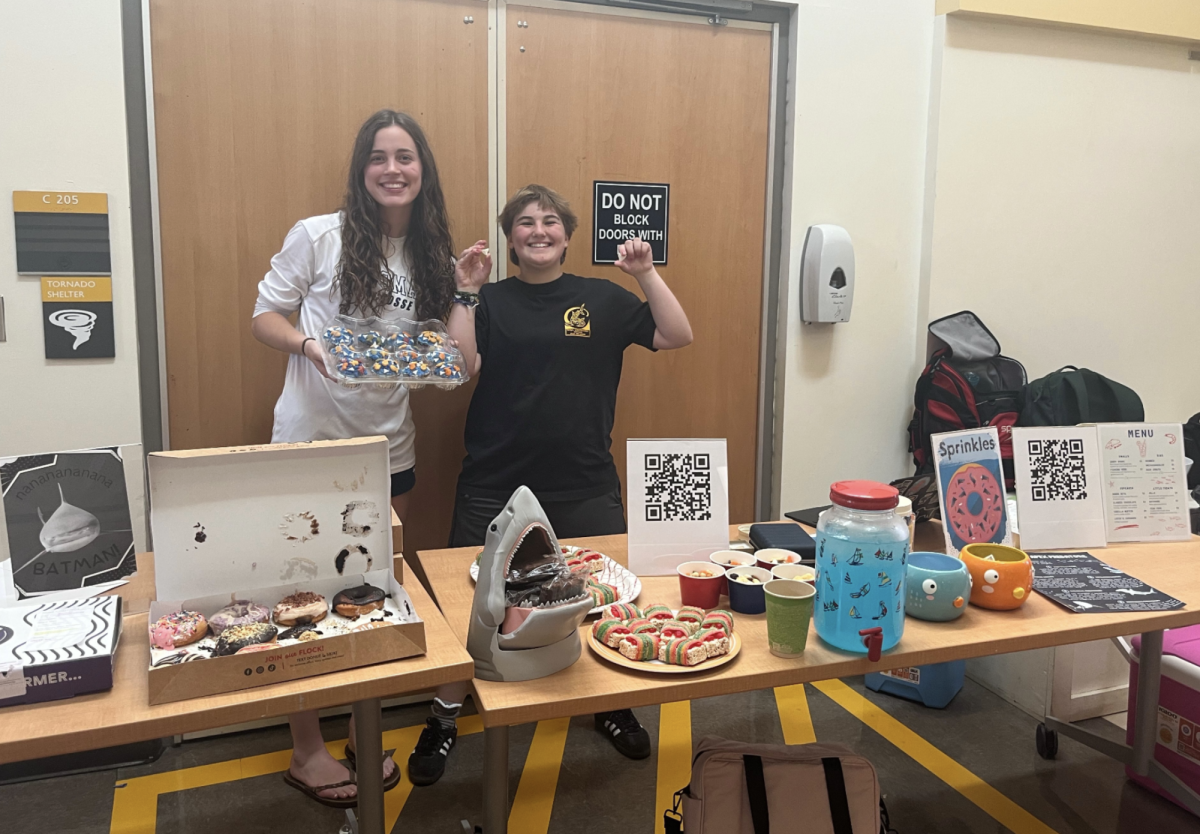
We also have a Four Corners debate coming up in collaboration with several political clubs at Potomac, which is really exciting. And then hopefully in the spring, we’ll be able to host Springfest again.
Another potential collaboration we’ve talked about recently is working with the IS. We had a few girls ask us this week to talk to them about how they can start up their own club and how they can best be involved. We talked about connecting with the outside organization, spreading awareness, and the games we’ve played to get people interested. It would hopefully help us connect with younger kids who would be active in our club when they get to the Upper School.
6. What advice do you have for students who want to be involved?
If you can do anything, just come to these camps. We will send you all the details. We can help drive you; everyone in IROC will make these things as accessible for you as we can. You can come, and you’ll make these kids’ entire month. They’ll just keep asking, “When will we see you again?” “When are you coming back?” It’s a pretty small time commitment, but you can make a huge impact.